Analyzing Intersections Between Regional Banking Regulations and Availability of No-Cost Play Incentives on UK Live Casino Applications
Theo Simmons · Sep 14, 2026

Analyzing Intersections Between Regional Banking Regulations and Availability of No-Cost Play Incentives on UK Live Casino Applications
Regional banking regulations from multiple jurisdictions intersect with the mechanics that determine how no-cost play incentives reach users on UK live casino applications, and observers note that payment processing rules often dictate which promotional structures operators can sustain. Data from the Bank for International Settlements shows that cross-border transaction standards influence deposit and withdrawal pathways, which in turn affects the technical feasibility of delivering free spins or no-deposit credits on live dealer platforms.
Regional Banking Frameworks and Their Influence on Payment Flows
European Central Bank directives on payment services create layers of compliance that UK-based operators must navigate when sourcing incentives from international providers, while Canadian federal banking guidelines similarly shape how North American payment rails interact with British casino ecosystems. Researchers at institutions tracking these patterns have documented that rules around anti-money laundering verification and transaction monitoring add processing steps that delay or restrict the activation of no-cost offers. In practice, these requirements mean that certain incentive types become available only through specific banking corridors that satisfy both origin and destination regulatory criteria.
Payment Rail Restrictions and Incentive Delivery
Operators report that some regional caps on transaction values and frequencies directly limit the volume of no-cost credits that can be distributed in a single cycle, and this constraint appears most pronounced when applications rely on live dealer interfaces that demand real-time funding confirmation. Studies from academic centers examining digital gaming finance indicate that banks in certain jurisdictions apply heightened scrutiny to gambling-related merchant codes, which can reduce the speed at which promotional balances post to player accounts. As a result, platforms adjust their incentive menus to favor structures that align with the least restricted payment methods available at any given time.
Effects on Live Casino Application Features in the UK
Live casino applications serving UK users must reconcile these external banking constraints with domestic operational needs, and figures reveal that availability of no-deposit incentives fluctuates according to which banking partners maintain active gambling-sector relationships. Observers note that when regional rules tighten around electronic wallet usage or card-based transfers, operators often shift toward alternative incentive formats such as time-limited free play rounds that bypass certain transaction thresholds. This adaptation keeps promotional access open even as underlying payment rails change.
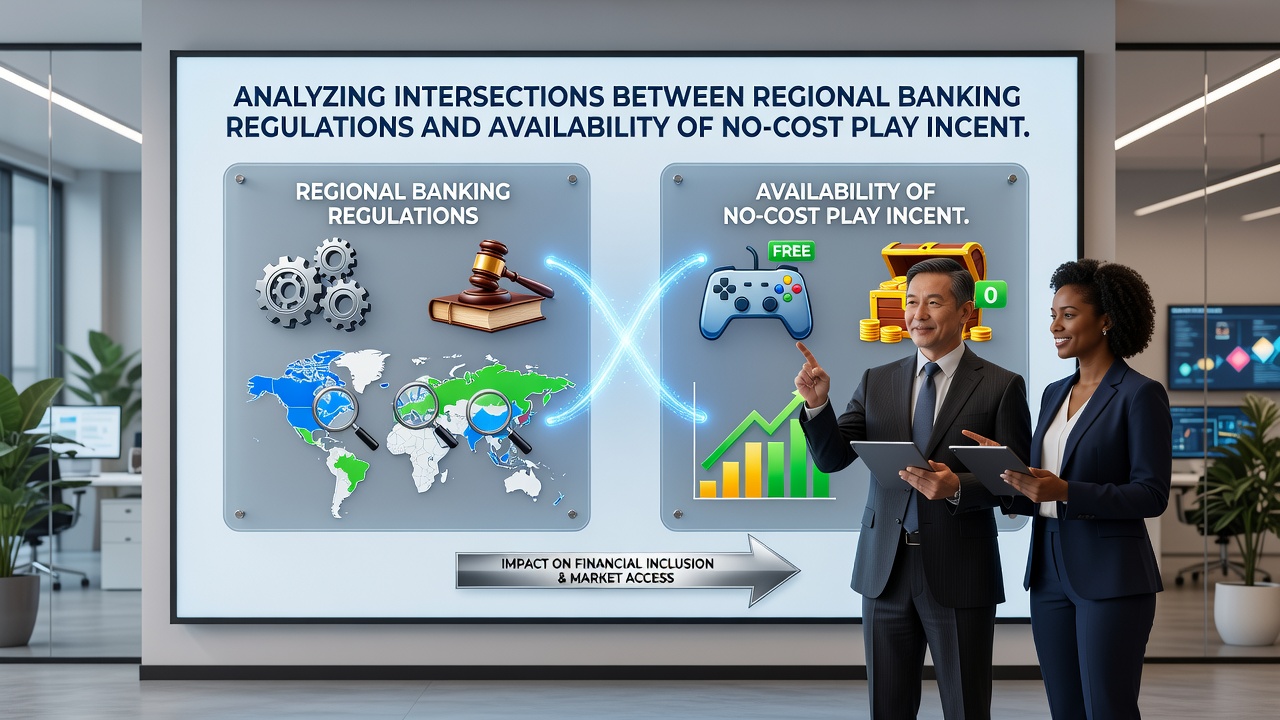
Industry reports compiled through 2025 show measurable differences in incentive uptake between applications that integrate multiple regional banking options versus those limited to single-jurisdiction rails. Those who've analyzed retention metrics find that users encounter fewer interruptions when operators diversify their banking partnerships, although the administrative overhead rises accordingly. By September 2026, scheduled updates to several international payment frameworks are expected to introduce additional verification layers that could further shape how no-cost offers are presented on live tables and roulette streams.
Trends in Incentive Structures Through Mid-2026
Evidence gathered from platform analytics indicates that applications offering live dealer games have begun emphasizing incentive types that require minimal direct bank interaction, such as in-game credit bundles tied to account verification rather than deposits. Data compiled by research networks tracking global gaming finance shows regional variations in how quickly new banking rules propagate into promotional availability, with some corridors experiencing faster adjustments than others. Operators therefore monitor multiple regulatory calendars simultaneously to anticipate shifts in which no-cost features remain viable.
Case examples from platforms that expanded their live casino offerings demonstrate that aligning incentive calendars with banking compliance windows helps maintain consistent access for users across different regions. Researchers tracking these alignments note that applications incorporating forward-looking compliance checks experience steadier incentive distribution patterns compared with those reacting after rule changes take effect. This pattern holds across both established and newer applications entering the UK market.
Conclusion
The interplay between regional banking regulations and no-cost play incentives on UK live casino applications continues to evolve as payment frameworks update and operators refine their compliance strategies. Information from diverse regulatory bodies and research sources underscores that incentive availability depends heavily on the compatibility of banking rails with promotional mechanics. As September 2026 approaches, further adjustments in international standards will likely prompt additional refinements in how these incentives reach end users on live dealer platforms.